POV
January 14, 2026
The Journey to the CMO: The Need to Define & Align
I was new in my VP of Marketing role at Juniper in 2002 when I stepped onto a boat with a handful of other marketers—hosted by Donovan Neale-May and Jan Soderstrom—to talk about the future of marketing. They had a fascinating idea: turn VPs of Marketing into Chief Marketing Officers. We wanted a seat at the table.
At the time, there were CEOs and CFOs, but no other “C’s.” It was a bold idea.
They proposed creating a community of CMOs—called the CMO Council—to make the market and to help and learn from one another. We made the case to businesses, CEOs, and shareholders that marketing mattered enough to have a “chief” to bring it all together.
Our vision was a Chief Marketing Officer who could create integrated marketing across products, channels, customers, campaigns, digital properties, and more.
And it worked. Within two years, there were thousands of CMOs. We made the category.
We also made a few mistakes. The two that still haunt me—and make the job of a CMO harder than it should be—are these:
- We didn’t actually define the role.
- We added the “ing.”
By not defining the role, we left it to every company to decide what “marketing” includes and what success looks like. Of course, every company has the right to define what’s best for its business—but we should have provided a template. Had we defined the job and purview of the CMO, we could have accelerated impact and avoided a host of inconsistencies that still plague the discipline today.
And then there’s that darn “ing.”
We don’t say Chief Financing Officer. Or Chief Selling Officer. I started a “drop the ing” movement several years ago because too many marketing teams get overly focused on tactics and activities—the ing—and forget about the market.
Everything marketing teams do should be in service to the market: understand the market, create and shape the market, serve the market. It’s all about the market. All tactics and strategies should align to one of these market actions.
I wish we had defined the role as Chief Market Officer.
The expert in the company on market trends, customer insights, strategies to build or disrupt a category (the market), and the products and solutions that best serve that market.
That’s how I think about the job of the CMO—and what I wish, in hindsight, we had done differently.
But there’s still time. And we still have Donovan leading the way, with the CMO Council continuing to lead the way. I’m incredibly proud to have been a tiny part of this movement, and deeply grateful to Donovan, Jan, Martyn Etherington, and the other early participants who created something that accelerated my career—and benefited so many marketing professionals along the way.
Christine Heckart
Founder & CEO, Xapa, Chair CMO Council North America Advisory Board
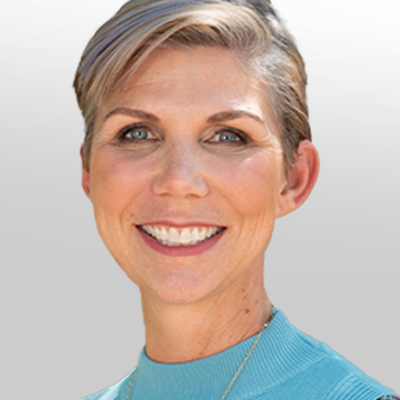
Christine Heckart is a 30-year veteran of the tech industry with a track record of creating new categories in business and consumer markets. Her latest company, Xapa World, is a mobile app that helps companies grow the people that grow the business. Xapa is intended to be a powerful and lasting legacy to democratize access to the competencies, programs and content that is often reserved for the wealthy, educated and powerful. It represents a fun and unique way to consume all forms of personal improvement and professional development. Today, she works with CEOs and executives teams around the world to help them achieve unparalleled business outcomes by cost effectively scaling development for leaders, managers and global talent and providing daily practice of the skills and behaviors that are most associated with high performance. Prior to founding Xapa, Christine was CEO of Scalyr, Inc., a data analytics company acquired by SentinelOne, with its initial public offering in 2021. Christine held executive roles at Cisco, Microsoft, NetApp, and Juniper Networks, and TeleChoice, Inc. and board roles at Lam Research, a Fortune 250 semiconductor equipment company, SiTime, 6sense, Contentful, Next Gen Directors Academy at Berkeley Haas Business School, and others. Named one of the ten top strategic thinkers and 50 most powerful people in the technology industry before she was thirty, Christine has also received a variety of respected awards including the Fifty Most Powerful Women in Technology, 2016 Woman of Influence, Top 100 Silicon Valley Female Leaders, and 2020 Top Women in Cloud.
Please login to join the discussion
Comments
No comments yet.